The kitchen is often described as the heart of the home, but from a design perspective, the backsplash is its pulse. While cabinetry provides the structure and countertops provide the workspace, the backsplash is the canvas where a homeowner’s personality truly shines. In a city like Edmonton, where indoor living is central to the lifestyle for much of the year, creating a kitchen that feels both warm and architecturally significant is a priority for many. A well-chosen backsplash does more than just protect walls from stray grease and water; it ties the entire room together, bridging the gap between the upper and lower cabinets and creating a cohesive visual narrative.
Choosing the right backsplash involves a delicate balance of aesthetics, durability, and maintenance. With the vast array of materials and patterns available today, the decision-making process can feel overwhelming. This guide is designed to walk through the essential considerations for selecting, designing, and installing a kitchen backsplash that will stand the test of time in a modern Alberta home.
The Functional Importance of the Backsplash
Before diving into the beauty of hand-painted tiles or marble slabs, it is important to understand the primary job of the backsplash. Its name is literal: it is there to catch "splashes" from the stove and sink.
Wall Protection: Drywall is porous and easily damaged by moisture and oils. A backsplash provides an impermeable barrier that prevents water from seeping behind cabinets, which can lead to mold or structural rot.
Ease of Maintenance: Kitchens are high-activity zones. The materials used for a backsplash are generally selected for their ability to be wiped clean with minimal effort, unlike a painted wall, which may stain or peel under heavy scrubbing.
Heat Resistance: The area behind the range is subjected to high temperatures. Proper backsplash materials act as a fire-resistant buffer between the cooking surface and the wall structure.
Exploring Backsplash Materials
The material you choose will dictate the maintenance requirements and the overall "vibe" of the kitchen. Each material has distinct properties that make it suitable for different lifestyles.
Ceramic and Porcelain Tile
Tile remains the most popular choice for Edmonton kitchens due to its versatility and price range.
Ceramic: Generally softer and easier to cut, ceramic tiles come in an infinite variety of colours and glazes. They are excellent for vertical surfaces where heavy impact is unlikely.
Porcelain: These tiles are fired at higher temperatures, making them denser and less porous than ceramic. If you want a backsplash that can withstand heavy-duty cleaning and high heat without fading, porcelain is an industry standard.
Finishes: You can choose between matte, which hides water spots and fingerprints well, or glossy, which reflects light and makes a small kitchen feel larger.
Natural Stone
For a luxury aesthetic, natural stone is unmatched. However, it requires a commitment to upkeep.
Marble: Known for its iconic veining, marble adds an air of elegance. It is, however, porous and susceptible to staining from acidic foods like lemon juice or tomato sauce.
Travertine and Limestone: These offer earthy, muted tones perfect for a transitional or rustic kitchen. Because they are textured, they require high-quality sealing to prevent grease from settling into the pits of the stone.
Granite: Extremely durable and heat-resistant, granite tiles can be used to match countertops for a seamless, monochromatic look.
Glass Tile
Glass is a favourite in contemporary and modern designs because of its luminosity.
Reflective Quality: Glass tile catches the light, which is particularly beneficial in kitchens with limited natural light.
Non-Porous Surface: Unlike stone or ceramic, glass is completely impervious to water and stains. It is one of the most hygienic options available.
Depth of Colour: Because the colour is often fused to the back of the glass, it has a depth that traditional tile cannot replicate.
Engineered Stone and Solid Surfaces
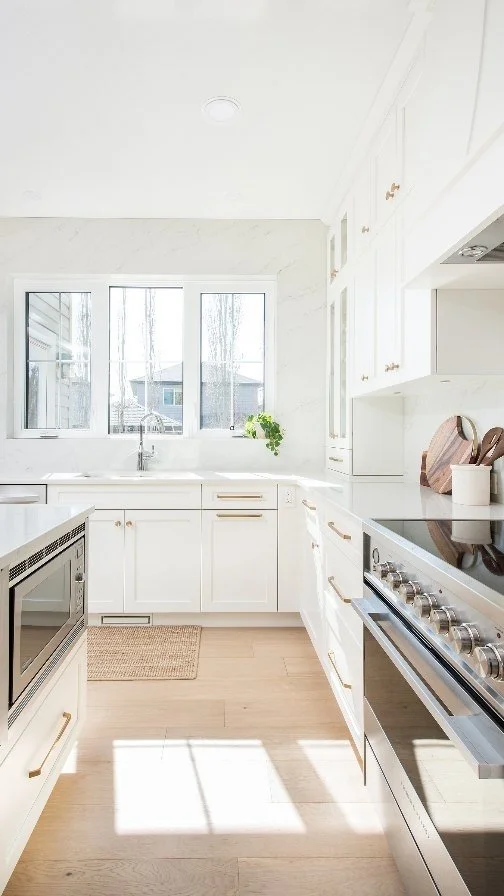
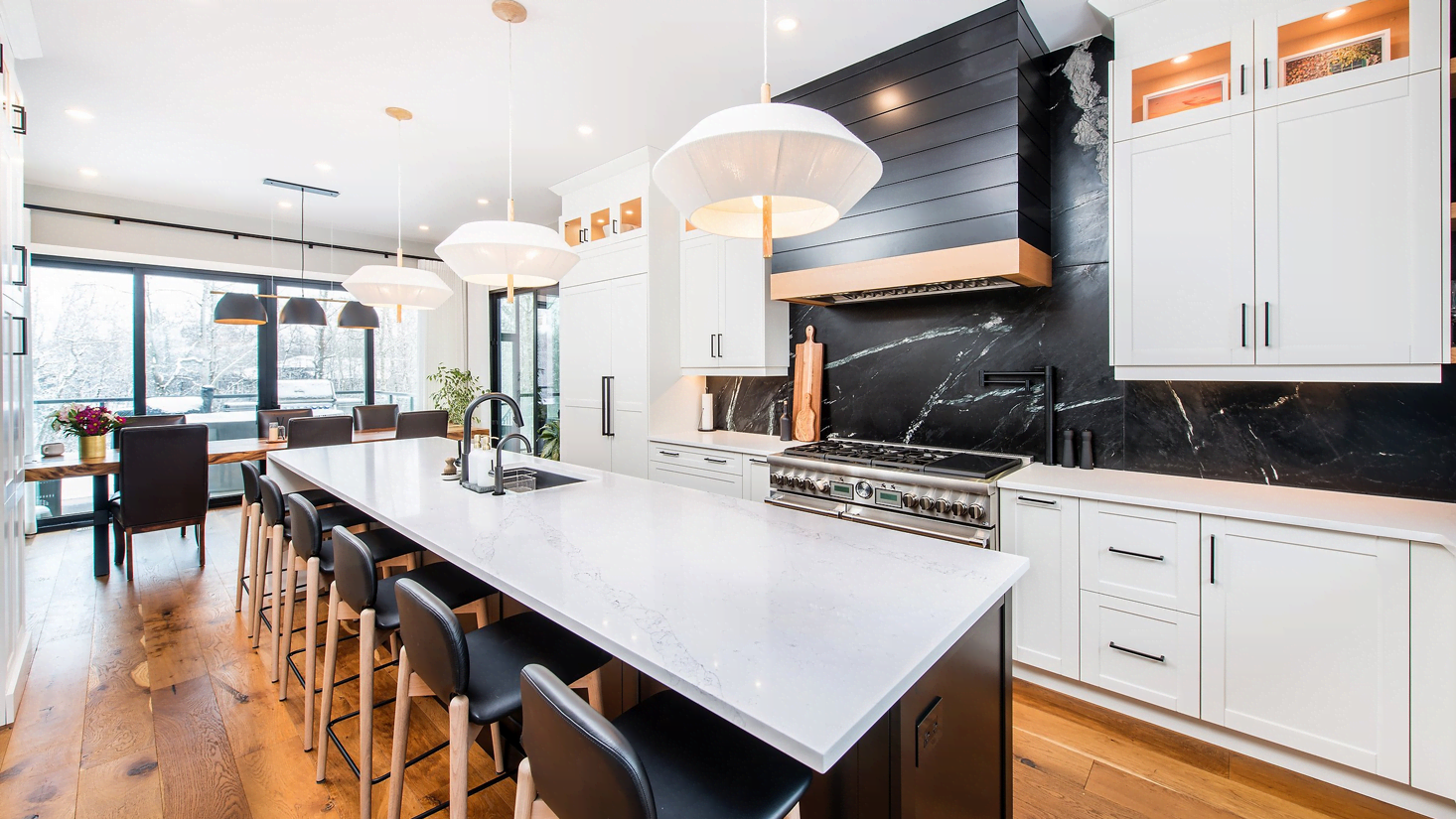
A growing trend in high-end Edmonton renovations is the "slab" backsplash. This involves using the same material as the countertop—usually quartz or a porcelain slab—and running it up the wall.
No Grout Lines: The primary appeal is the lack of grout, creating a sleek, ultra-modern look that is incredibly easy to clean.
Visual Continuity: Using a continuous piece of quartz with heavy veining creates a dramatic "waterfall" effect for the eyes, making the backsplash a piece of art.
Metal Backsplashes
For an industrial or professional chef’s kitchen look, metal is an excellent choice.
Stainless Steel: It is heat-proof and nearly indestructible. It is often used in sheets for a seamless look or in tiles for a more textured appearance.
Copper and Brass: These materials develop a patina over time, adding character and warmth to the kitchen.
Defining the Style with Tile Patterns
Once the material is selected, the way the tiles are laid will define the architectural style of the space. Even a basic white subway tile can look entirely different depending on the pattern.
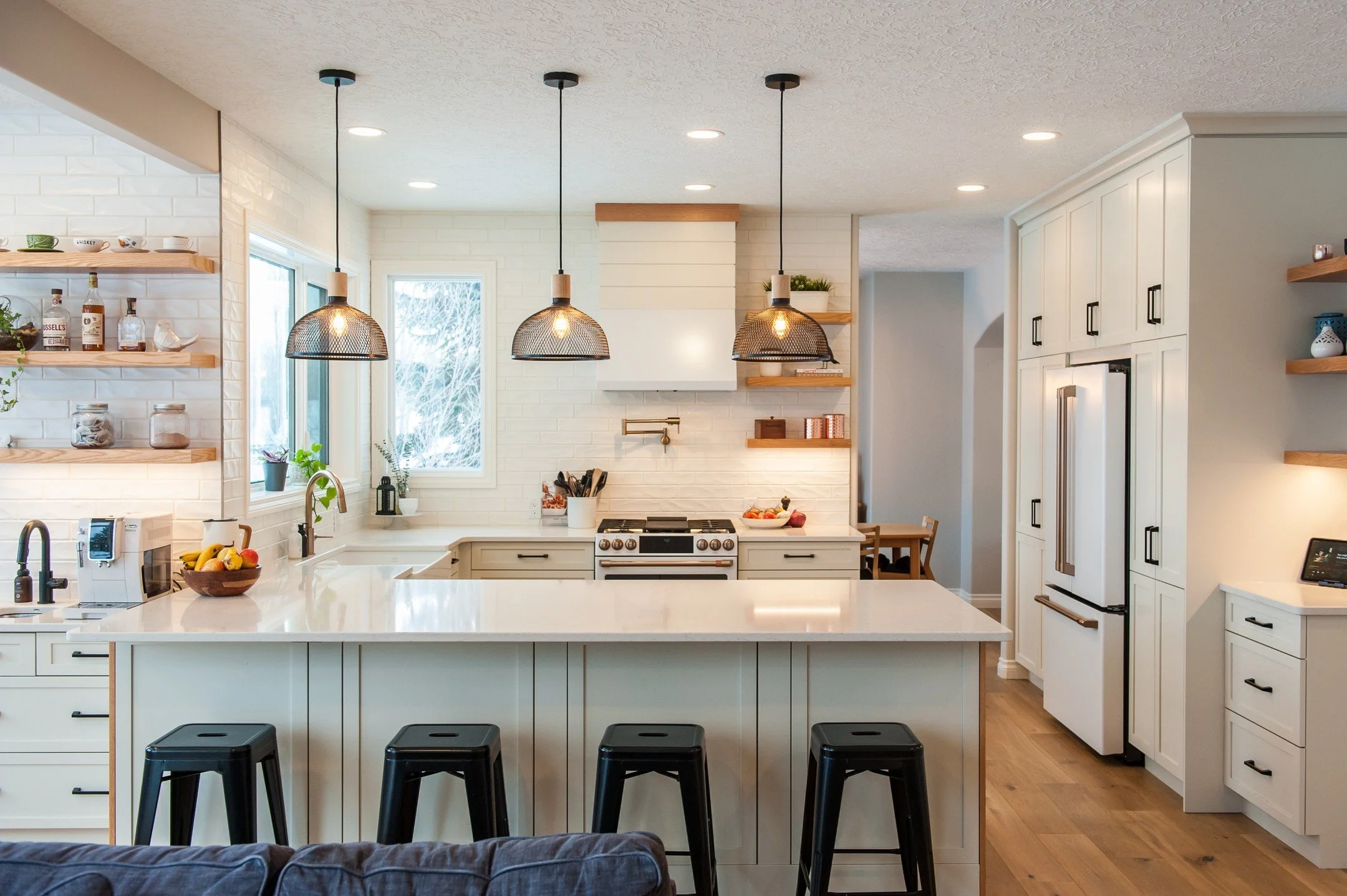
Horizontal Offset (Subway): The most classic layout. It is timeless and helps widen the appearance of the kitchen.
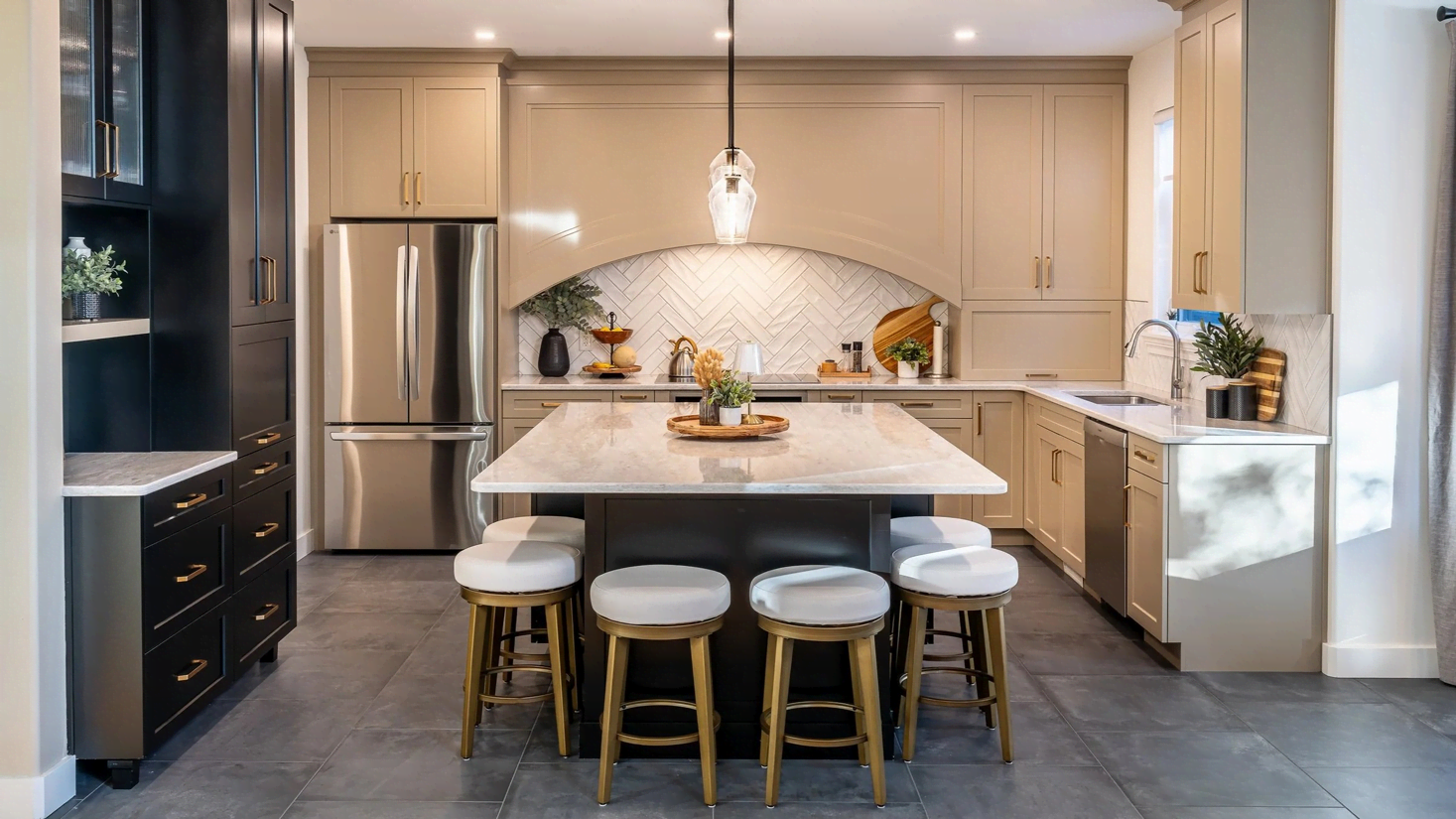
Herringbone: Tiles are laid at 45-degree angles to create a "V" shape. This is an elegant, high-end pattern that adds a sense of movement. It requires precision cutting and more labour than standard layouts.
Chevron: Similar to herringbone, but the tiles are cut at an angle to meet in a perfectly straight line. This creates a sharp, geometric look.
Vertical Stack: For a modern or mid-century aesthetic, stacking tiles vertically can make a kitchen with low ceilings feel much taller.
Basketweave: A traditional pattern that mimics the look of a woven basket, often using two different colours for contrast.
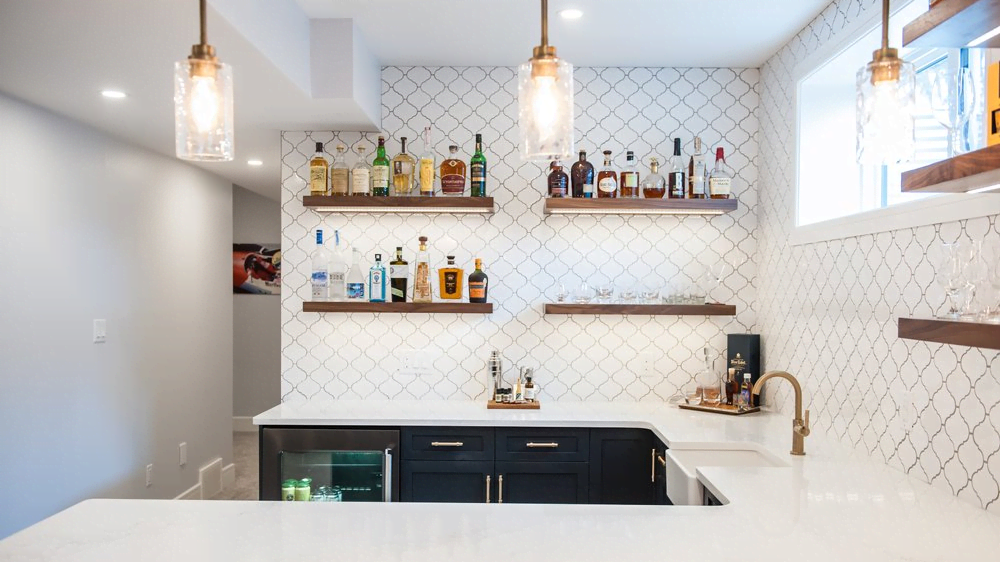
Mosaic: Small tiles, often pre-mounted on mesh sheets. These allow for intricate designs and are excellent for adding pops of colour or texture.
The Role of Grout in Design and Function
Grout is often an afterthought, but it plays a massive role in both the look and the longevity of the backsplash.
Colour Matching vs. Contrast: Choosing a grout that matches the tile creates a seamless, monolithic look. Choosing a contrasting grout (like dark grey grout with white tile) highlights the pattern and adds an industrial or graphic feel.
Grout Width: Smaller grout lines (1/16 of an inch) are preferred for a modern look and are easier to keep clean. Wider lines are often used with handmade or "clinker" tiles that have irregular edges.
Grout Types:
Cement-Based: The traditional choice, but it is porous and must be sealed periodically.
Epoxy Grout: Highly resistant to stains, chemicals, and moisture. It is more difficult to install, but it is virtually maintenance-free once set.
High-Performance Grout: These are newer formulations that offer the ease of cement grout with the stain resistance of epoxy.
Technical Installation Considerations
A beautiful backsplash is only as good as the installation behind it. When planning a project in Edmonton, certain technical steps are non-negotiable for a professional result.
Wall Preparation
A tile job is only as flat as the wall it sits on. In many older Edmonton homes, walls may be bowed or uneven. Installers must ensure the surface is clean, dry, and structurally sound. In some cases, a layer of cement board is preferred over standard drywall to provide a better bonding surface for the thin-set mortar.
Electrical Outlet Management
One of the hallmarks of a high-end backsplash is how the electrical outlets are handled.
Pop-Up Outlets: These can be installed in the countertop or under upper cabinets to keep the backsplash surface completely clear of "visual clutter."
Colour-Matched Plates: If outlets must be in the backsplash, using plates that match the colour of the tile or stone ensures they disappear into the design.
Outlet Realignment: During a renovation, moving outlets so they sit symmetrically within the tile pattern or grout lines shows a superior level of attention to detail.
Managing Transitions and Edges
How the backsplash ends is just as important as how it starts.
Schluter Strips: These are metal or plastic trim pieces used to provide a clean, finished edge to a tile run, protecting the edges from chipping.
Bullnose Tiles: Some tile collections include pieces with a rounded finished edge, allowing for a traditional transition to the wall.
Mitered Edges: For slab backsplashes, the edges are often mitered at the corners to create a thick, solid appearance.
The Edmonton Climate and Interior Design
Living in Alberta presents unique challenges for home construction and renovation. The extreme temperature fluctuations between summer and winter cause homes to expand and contract.
Flexibility in Materials: Because homes shift, using a high-quality flexible caulk at the joint where the backsplash meets the countertop is essential. Using rigid grout in this "change of plane" will almost certainly lead to cracking over time.
Moisture Control: During the humid summer months or the dry winter, when humidifiers are running, moisture levels in the kitchen fluctuate. Proper sealing of stone and grout prevents these environmental changes from affecting the integrity of the wall behind the tile.
Lighting Considerations: In the winter, when daylight hours are short, under-cabinet lighting becomes essential. When selecting a backsplash, consider how it will look under artificial light. Glossy tiles can sometimes create harsh glares, while matte finishes diffuse light for a softer glow.
Cleaning and Long-Term Maintenance
To keep a backsplash looking new for decades, a specific cleaning regimen is required based on the material.
Ceramic and Glass: A simple mixture of warm water and mild dish soap is usually sufficient. Avoid abrasive scrubbers that could scratch the glaze or the glass surface.
Natural Stone: Use only pH-neutral cleaners. Never use vinegar or lemon-based cleaners on marble or limestone, as the acid will etch the stone and ruin the finish.
Grout Maintenance: Even with stain-resistant grout, it is wise to scrub the lines once a year with a soft brush. For cement-based grout, re-sealing every 12 to 24 months is a standard practice to prevent grease absorption.
The Stove Zone: The area directly behind the cooktop is the most vulnerable. It is recommended to wipe this area down after every session involving high-heat frying or simmering to prevent oils from hardening on the surface.
Aesthetic Harmony: Matching the Backsplash to Other Elements
The backsplash should not be chosen in isolation. It must harmonize with the cabinetry, the countertops, and the flooring.
The Rule of One Star: Designers often suggest that a kitchen should only have "one star." If your countertops have a bold, busy pattern, the backsplash should be subtle and understated. Conversely, if your countertops are a solid, neutral colour, the backsplash is the perfect place to use a bold pattern or a vibrant color.
Hardware Coordination: Consider the finish of your cabinet pulls and faucets. A backsplash with metallic accents or a warm-toned grout can tie in beautifully with brass or matte black hardware.
Colour Temperature: Ensure the "whites" match. A cool-toned white tile against a warm-toned white cabinet can make the cabinets look yellow, or the tile look blue. Always view samples together under the actual lighting of your kitchen.
Conclusion
The selection of a kitchen backsplash is a defining moment in any renovation or new build. It is the intersection of high-utility protection and high-concept design. From the timeless appeal of a white subway tile to the dramatic statement of a full-height quartz slab, the choices made today will set the tone for the home's aesthetic for years to come. By understanding the properties of different materials, the visual impact of various patterns, and the technical requirements of a professional installation, homeowners can ensure their kitchen remains a beautiful, functional sanctuary. Investing time in the details—the grout colour, the edge transitions, and the lighting—elevates a standard kitchen to a custom-designed masterpiece that reflects the quality and care put into the rest of the home.
If you are ready to transform your kitchen with expert craftsmanship and intentional design, Diamond Contracting is here to bring your vision to life. Our team specializes in high-quality renovations that blend beauty with the durability required for the Edmonton climate. Contact us today to discuss how we can help you select and install the perfect backsplash for your dream kitchen.