Living in Edmonton means adapting to one of the most variable climates in Canada. We experience everything from blistering July heatwaves to the deep freeze of January, often with very little transition in between. For homeowners, this extreme weather does more than just dictate your wardrobe; it plays a critical role in the success, timeline, and cost of your home renovation projects.
Many homeowners mistakenly believe that renovation work should only happen during the warm summer months. While summer is certainly the peak season for construction, limiting your thinking to this window can lead to missed opportunities, longer wait times, and unnecessary stress. A successful renovation in Alberta requires a strategic approach that aligns specific project types with the unique advantages of each season.
Whether you are planning a luxury kitchen remodel, a basement development, or a full-scale home addition, timing is everything. This guide breaks down the renovation calendar for the Capital Region, helping you navigate the logistics of building in a prairie climate.
Winter (December – February): The Design and Interior Season
In the construction industry, winter is often viewed as the "off-season," but for savvy homeowners, it is arguably the most strategic time to begin a project. While the ground may be frozen solid, the potential for interior transformation is wide open.
The Power of Planning
The most overlooked aspect of a successful renovation is the pre-construction phase. Large-scale projects, such as full home renovations or custom additions, require months of design work, engineering approvals, and permitting with the City of Edmonton. Starting this process in December or January ensures that you are first in line when the ground thaws.
Design & Selection: Use the colder months to work with interior designers (like our partners at Revolving Rooms) to finalize layouts and select materials. This eliminates the "rush" decisions that often happen during active construction.
Permit Processing: City permit offices are generally less overwhelmed in the winter than in the spring rush. Submitting your applications now can shave weeks off your wait time.
Ideally Suited Projects: Basements and Bathrooms
Winter is the perfect time to focus on the spaces that make your home livable during the long, cold months.
Basement Developments: Since basements are below grade and insulated by the earth, they are less affected by ambient temperature swings. Developing your basement in winter adds valuable square footage and a cozy retreat just when you need it most.
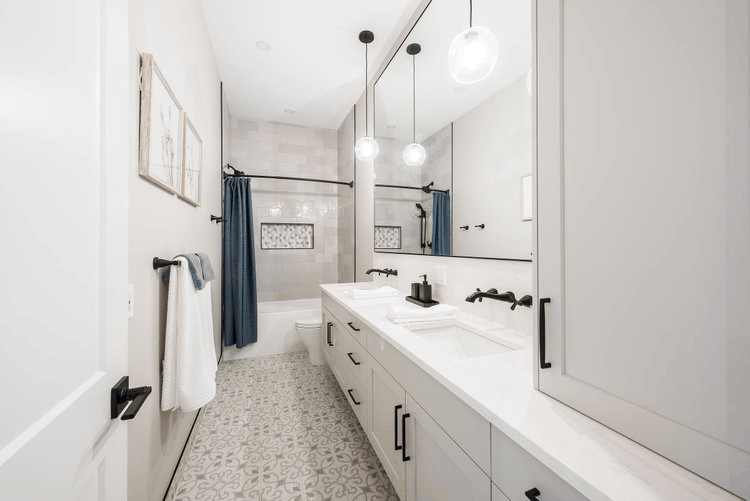
Bathroom Renovations: Indoor crews can work efficiently on bathrooms regardless of the snow outside. Plus, securing high-demand tradespeople (plumbers, tilers, electricians) can sometimes be easier during these months compared to the summer peak.
A Note on Winter Construction: Professional contractors know how to manage the "mess" of winter renovations. By using localized containment zones and protecting flooring from snowy boots, a reputable team can execute a major interior overhaul without turning your living space into a disaster zone.
Spring (March – May): The Thaw and Preparation Phase
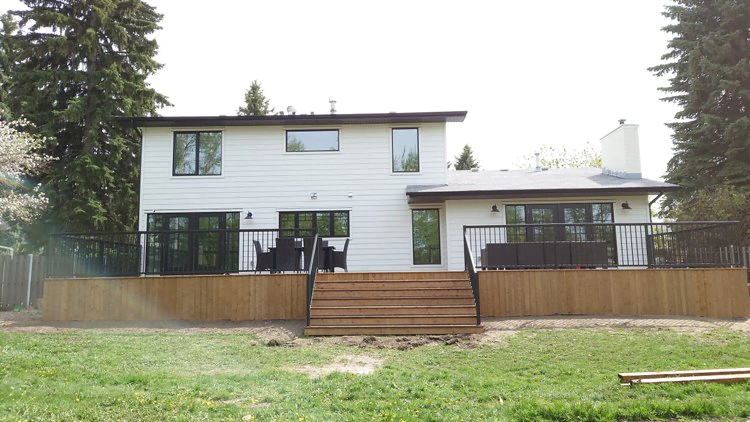
Spring in Edmonton is notoriously unpredictable. It is the season of the "false spring," where a week of melting snow can be followed by a sudden blizzard. This volatility makes it a transitional period for renovations.
Assessing the Exterior
As the snow melts, it reveals the toll that winter has taken on your home. This is the critical window for assessment.
Foundation Checks: Look for new cracks in your foundation or driveway that may have formed due to frost heave.
Water Management: Ensure that your grading is still positive (sloping away from the home) and that eaves and downspouts are effectively moving meltwater away from your foundation.
Breaking Ground (Carefully)
Once road bans are lifted and the ground begins to dry, exterior projects can tentatively begin.
Decks and Fences: While you might not be hosting BBQs yet, spring is the time to start building your outdoor oasis. Getting screw piles or concrete footings in the ground early means your deck is ready for the first true warm weekend, rather than being under construction during your summer holidays.
Windows and Doors: If your heating bills were astronomically high over the winter, spring is the time to order replacements. Modern triple-pane windows have significant lead times; ordering in spring ensures installation happens before the next freeze.
Summer (June – August): The Peak Construction Window
Summer is the "Golden Season" for Edmonton construction. With long daylight hours and reliable temperatures, this is when the most aggressive and complex work takes place. However, because everyone wants to renovate in the summer, it requires the most discipline in scheduling.
Major Structural Work and Additions
For projects that involve opening up the building envelope—like removing a roof for a second-story addition or breaking down walls for a home extension—summer is non-negotiable.
Weather Tightness: Minimizing the time your home is exposed to the elements is crucial. Summer offers the predictable dry spells needed to frame, sheathe, and waterproof new structures efficiently.
Excavation: Digging foundations for additions or garage suites is fastest when the ground is fully thawed and dry. Mud slows down heavy machinery; dry summer earth speeds it up.
Exterior Facelifts
This is the prime time for "curb appeal" projects.
Siding and Stucco: Exterior cladding materials need specific temperature ranges to cure or set properly. Summer ensures these materials bond correctly and last for decades.
Roofing: Shingles seal best under the heat of the sun. If your roof is part of a larger exterior renovation, scheduling it for July or August guarantees the best thermal seal.
Managing the "Summer Rush"
Because this is the busiest season, material shortages can occur. A design-build firm will have ordered your materials months in advance (back in the Winter/Spring planning phase) to ensure your project isn't stalled waiting for a specific siding colour or window shipment.
Fall (September – November): The Race to Close-In
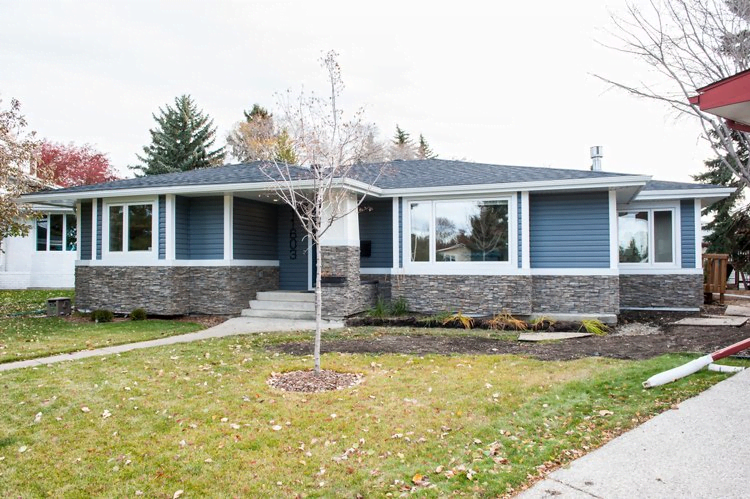
Fall is a beautiful but urgent time in the Alberta construction industry. The goal is always to get the "building envelope" sealed before the first permanent snow falls.
The "Close-In" Strategy
If you started a major addition in the summer, Fall is when the focus shifts to insulation, drywall, and interior finishing.
Insulation Upgrades: As the nights get cooler, drafty spots become obvious. Fall is an excellent time to upgrade attic insulation or blow-in insulation for older walls.
Exterior Finishing Touches: Painting, staining decks, and sealing driveways must happen before the temperature drops consistently below 10°C.
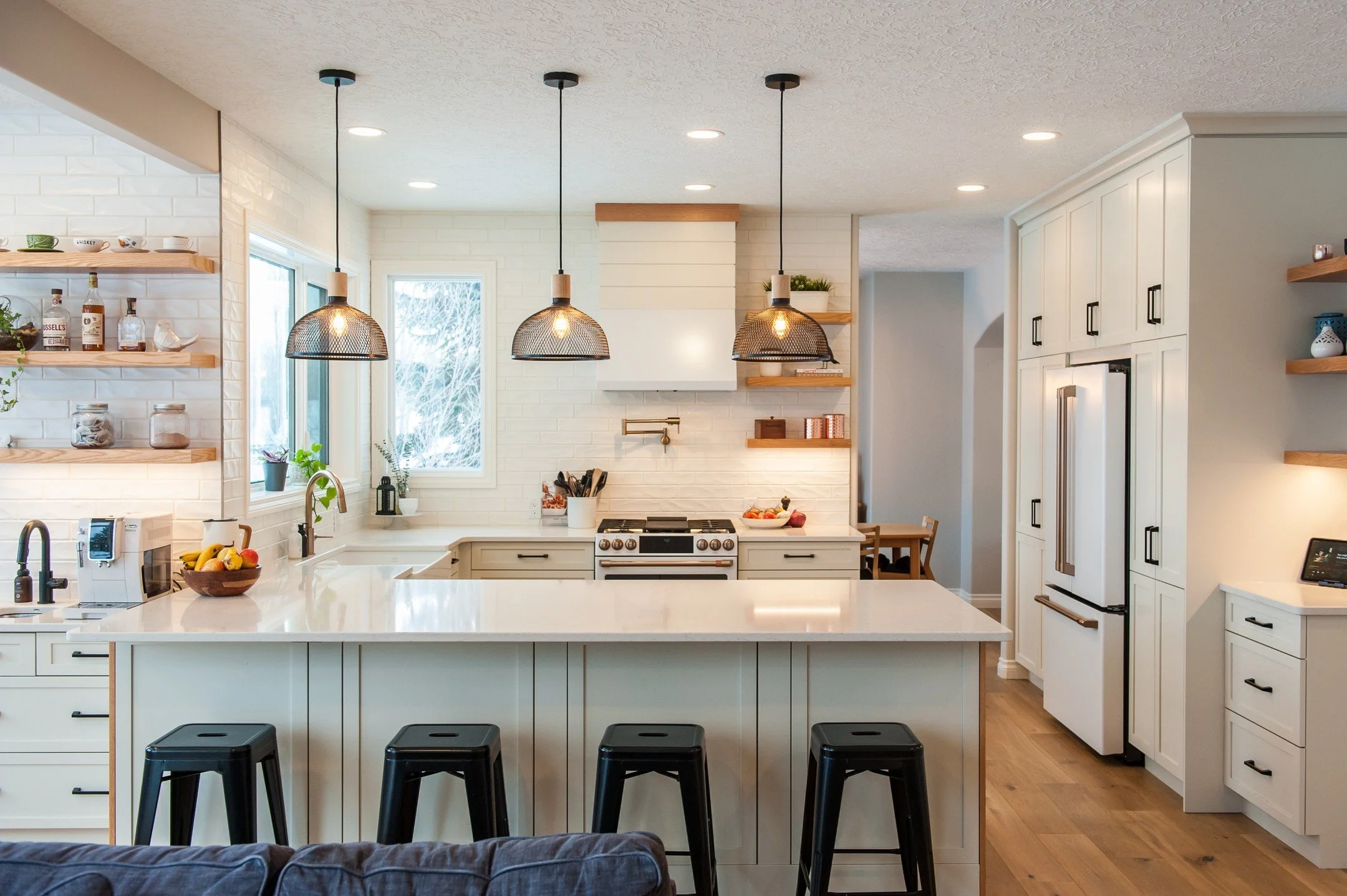
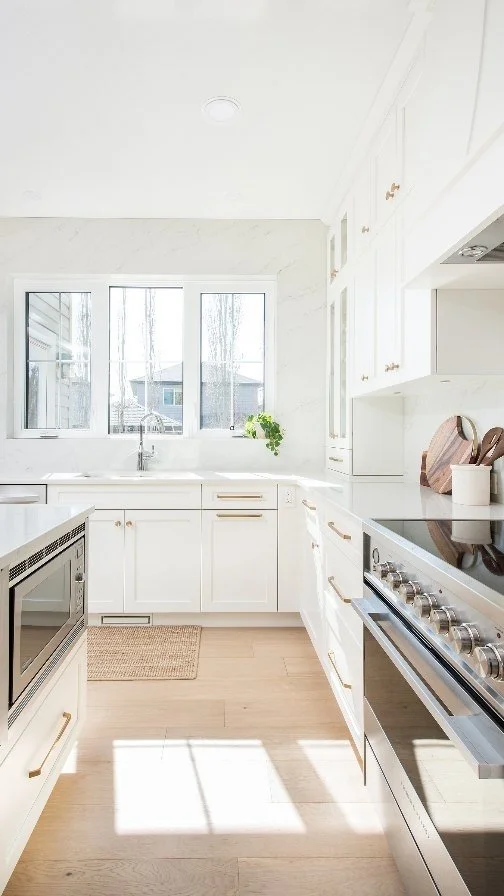
Kitchen Renovations
Believe it or not, Fall is a fantastic time for kitchen renovations.
Holiday Deadlines: Many homeowners want their new kitchen ready for Christmas hosting. Starting in September or October usually allows enough time for a complete transformation before the holiday season.
Vacation Timing: If you plan to be away for a week or two in the fall, it provides a perfect window for the messiest parts of demolition to happen while you are out of the house.
Year-Round Consideration
While the seasons dictate when work can physically happen, the success of the project is determined by who manages it. Edmonton's climate is unforgiving of cutting corners. A renovation that looks good on the surface but ignores building science will fail when the temperature drops to -30°C.
Why Local Expertise Matters
Hiring a locally established contractor is your best defence against climate-related failure.
Frost Line Knowledge: We know exactly how deep piles and footings need to go to prevent heaving.
Building Envelope Science: We understand how to properly insulate and vapour-barrier a home so that warm interior air doesn't condense inside your walls during winter, leading to mould.
Supplier Relationships: When supply chains get tight, established companies with long-standing relationships (like our connection with Edge 2 Edge Flooring) often get priority access to materials.
The Design-Build Advantage
Working with a design-build firm changes the "Seasonal Panic" into a managed timeline. Instead of you trying to coordinate an architect in January and a builder in June, a design-build team manages the entire flow. We can be designing your kitchen while building your deck, or framing your addition while the interior tiles are being selected. This overlap saves months of downtime.
Budgeting for the Seasons
Seasonal timing also impacts your budget.
Winter Protection: Building an addition in winter is possible (with hoarding and heating), but it adds costs for propane and temporary enclosures.
Rush Fees: Trying to force a project to start in late August often incurs premium costs for labour.
Buffer Zones: Always build a time buffer into your schedule. In Edmonton, a three-day blizzard in April is not bad luck; it’s a statistical probability. Professional schedulers account for this, so you aren't disappointed.
Navigating Edmonton’s Permit Process: A Seasonal Timeline
While planning your design and choosing your materials during the off-season, there is one crucial element that dictates your true start date: the City of Edmonton’s permitting process. For major renovations—including additions, basement suites, or garage developments—you will typically require two main types of approval: a Development Permit and a Building Permit.
Ignoring this lead time is the number one reason projects fail to launch on schedule, particularly when targeting the peak summer building season.
The Two-Stage Approval Process
Development Permit (DP): This permit ensures your project complies with the City’s Zoning Bylaw. It focuses on the use of the land, height restrictions, setbacks from property lines, and site layout. Complex projects like infill or additions often require a longer review time.
Building Permit (BP): This permit ensures your final design complies with the Alberta Safety Codes (structural, electrical, plumbing, fire). This review often follows the DP approval and involves detailed scrutiny of your architectural and engineering drawings.
The Seasonal Queue Strategy
The single best piece of advice for any Edmonton homeowner planning a major renovation is to submit your plans during the slow season.
Peak Permit Season (March – August): As the snow melts, thousands of homeowners and builders submit applications simultaneously, leading to bottlenecks at the City offices. Applications for complex infill and major additions can face the longest review times, often extending to three months or more. Applying in June means you likely won't receive approval until late August or September, pushing your actual construction start into the rapidly approaching Fall.
Strategic Submission (November – February): Submitting your detailed plans in the heart of winter—once the design and engineering are complete—allows your application to move through the queue while the large majority of builders are focused on interior finishing. By the time the ground is ready for excavation in April or May, your permits will be approved and ready to be picked up.
As a full-service design-build contractor, Diamond Contracting’s process integrates permit management, ensuring we submit a complete, accurate package the first time. This avoids the costly delays associated with the City’s frequent "More Information Requested" (MIR) notices that can hold your file indefinitely.
Conclusion
Renovating in Edmonton is a journey that requires respecting the rhythm of our seasons. By planning your interior design work in the winter, prepping in the spring, building in the summer, and finishing in the fall, you maximize efficiency and quality. The key is not to fight the climate, but to work with it, leveraging the unique opportunities each month provides.
Successful projects are the result of early planning and professional execution. Whether you are dreaming of a spa-inspired ensuite or a complete exterior transformation, the best time to start the conversation is always now, regardless of what the thermometer says.
Ready to start planning your dream renovation? Contact Diamond Contracting today to schedule a consultation and let us help you build a timeline that works for you. From initial design to the final reveal, we are here to bring the Diamond Standard to your home.